
For most of us, brushing our teeth is second nature. Twice a day, two minutes each time — that’s the recommendation. Yet studies consistently show that many people either don’t brush long enough, miss hard-to-reach areas, or struggle with consistency. The result? Plaque buildup, gum irritation, and preventable dental problems over time.
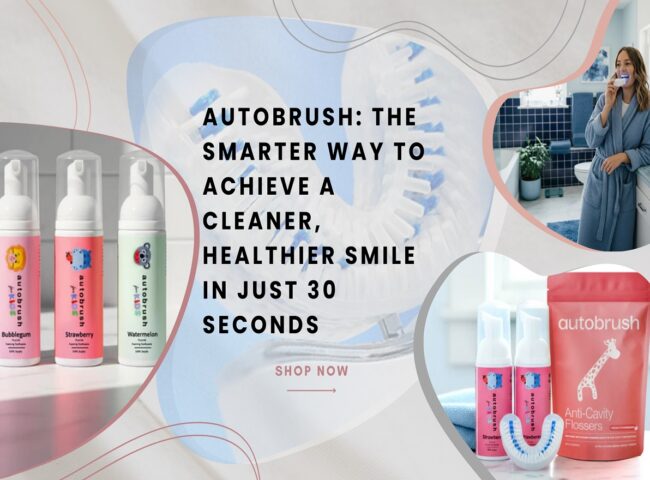
That’s where AutoBrush comes in. Designed to simplify and improve the brushing experience, AutoBrush is a U-shaped electric toothbrush that aims to clean your entire mouth at once — in as little as 30 seconds. But is it just another trendy gadget, or does it truly deliver meaningful oral health benefits? Let’s take a closer look.
What Is AutoBrush?
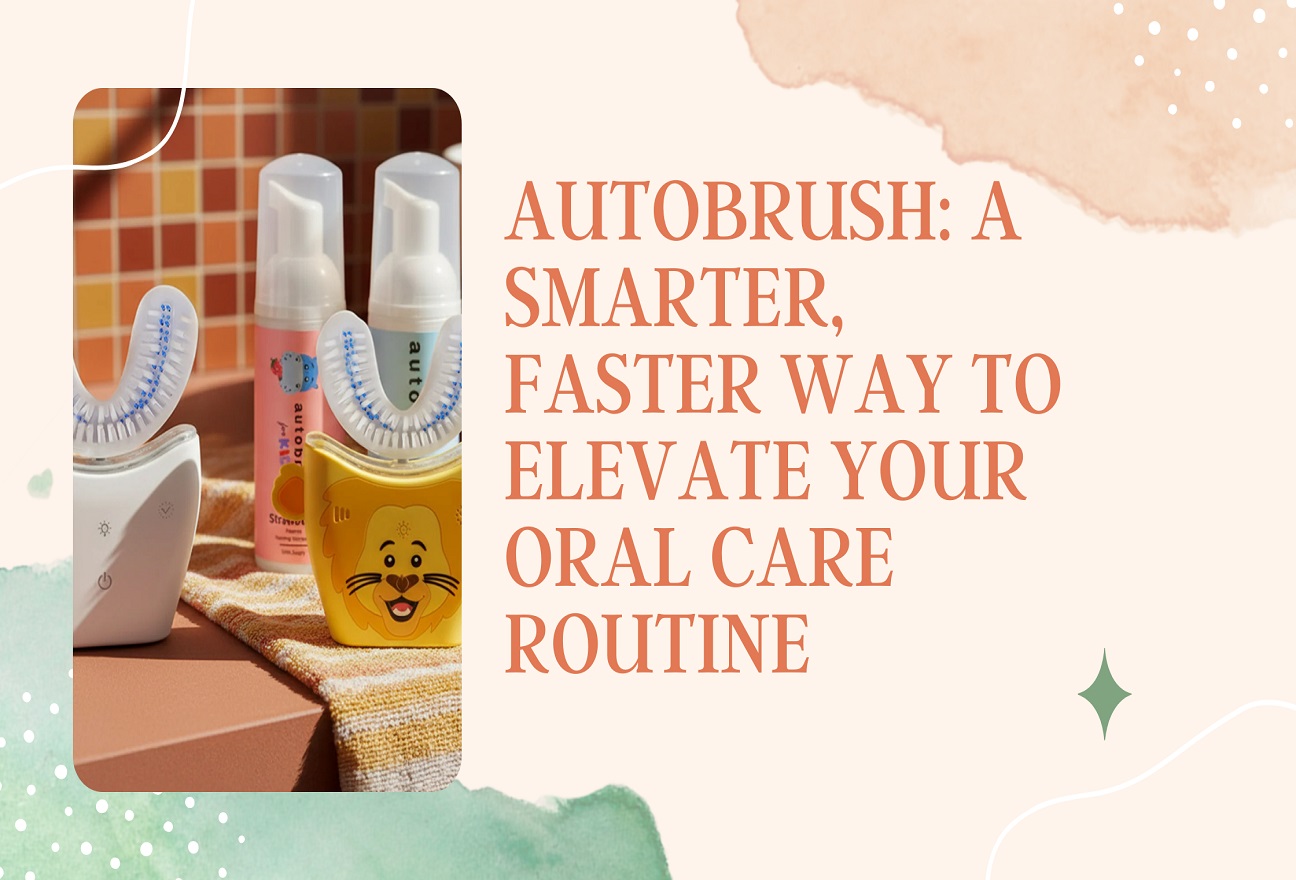
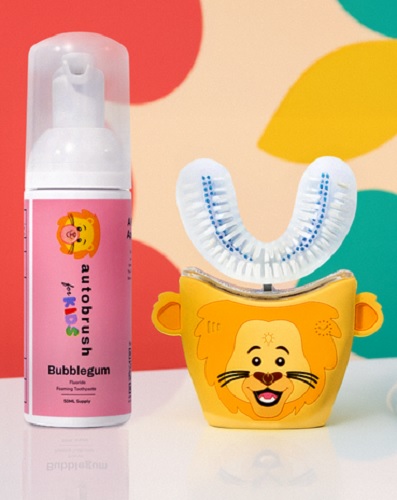
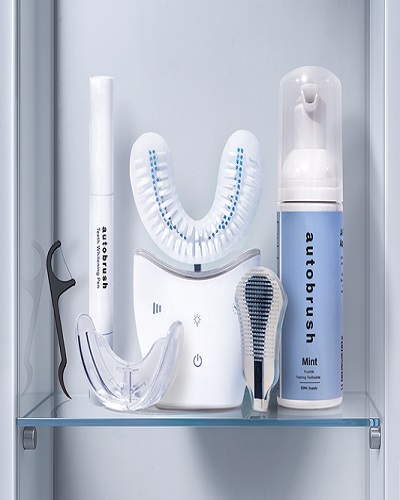
AutoBrush is an innovative toothbrush system that uses a mouthpiece-style design to brush all your teeth simultaneously. Instead of moving a traditional brush head tooth by tooth, you place the U-shaped device in your mouth, turn it on, and let it work.
The brush head is lined with thousands of soft nylon bristles that contact the front, back, and biting surfaces of your teeth at the same time. Combined with sonic vibration technology, the bristles are designed to break up plaque and support healthier gums — all while dramatically reducing brushing time.
In short, AutoBrush aims to make oral hygiene more efficient without sacrificing effectiveness.
How It Works
AutoBrush’s performance is built around three core elements: coverage, vibration, and convenience.
1. Full-Mouth Coverage
The U-shaped mouthpiece is custom-sized to fit different age groups and mouth sizes. Because it surrounds the teeth, it can reach areas that are commonly missed during manual brushing — especially the backs of molars and along the gumline.
2. Sonic Vibration Technology
Like many high-end electric toothbrushes, AutoBrush uses sonic vibrations to energize the bristles. These rapid movements help loosen plaque and debris while gently stimulating the gums.
3. A 30-Second Clean
Traditional brushing requires two minutes of careful technique. AutoBrush reduces that to around 30 seconds of active cleaning time. For busy professionals, parents managing young children, or anyone who struggles with routine consistency, this time-saving design can make a noticeable difference.
Some models also incorporate LED light therapy features, such as red light for gum support and blue light to complement whitening routines when used with appropriate toothpaste.
What Sets AutoBrush Apart?
The market has seen a rise in U-shaped toothbrushes in recent years. However, not all of them are created equal. Many lower-cost alternatives use silicone bristles that primarily massage teeth rather than effectively removing plaque.
AutoBrush differentiates itself by using nylon bristles — the same material found in traditional dentist-recommended toothbrushes. Nylon bristles are designed to physically sweep plaque from tooth surfaces rather than simply vibrate against them.
In addition, AutoBrush has received acceptance from the American Dental Association (ADA), a distinction that signals compliance with established standards for safety and effectiveness. ADA acceptance requires clinical evidence demonstrating plaque removal and gum health benefits. This endorsement provides an added layer of credibility for consumers seeking a trustworthy oral care solution.
Who Benefits Most from AutoBrush?
While AutoBrush can be used by nearly anyone, certain groups may find it particularly valuable.
Busy Individuals
Time constraints are one of the most common reasons people cut brushing short. A faster routine can help eliminate that barrier and make proper oral hygiene more realistic during hectic mornings or late evenings.
Parents and Children
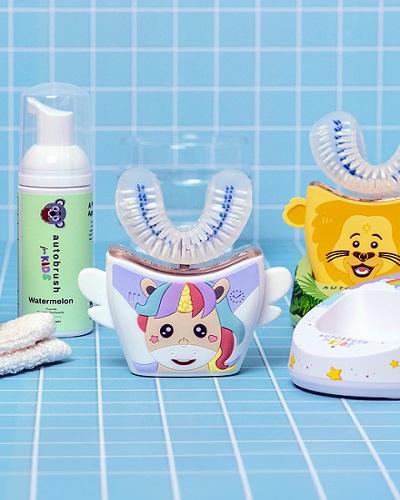
Getting kids to brush for the full recommended two minutes can be a daily struggle. AutoBrush’s simplified, quick-clean approach can make brushing less of a battle and more of an easy habit. Some models are designed specifically for children, encouraging independence and consistency.
People With Limited Dexterity
Individuals with mobility challenges, arthritis, or other dexterity issues may find traditional brushing physically difficult. Because AutoBrush requires minimal hand movement, it can offer a more accessible alternative.
Those Who Struggle With Routine Consistency
For people who find multi-step self-care routines overwhelming, simplifying the process can increase adherence. A shorter, more straightforward brushing system can remove friction and make daily oral hygiene easier to maintain.
What Do Users Say?
Customer feedback often highlights convenience as one of AutoBrush’s strongest features. Many users report that the device makes brushing feel less like a chore and more like a quick, manageable step in their routine.
Some users mention a brief adjustment period while getting used to the mouthpiece fit and recommended brushing motion. However, once they adapt, many note that their teeth feel noticeably clean and smooth.
As with any oral care device, individual experiences can vary based on technique, dental condition, and consistency of use.
Best Practices for Optimal Results
To get the most out of AutoBrush, proper usage matters.
- Use gentle movement. Even though the brush covers your entire mouth, a light side-to-side motion can improve plaque removal.
- Avoid biting down too hard. Excess pressure can reduce the bristles’ ability to move freely.
- Maintain a complete routine. Brushing — whether manual or automatic — should be paired with flossing and regular dental checkups.
Like any dental tool, AutoBrush works best when used correctly and consistently.
Is AutoBrush Worth It?
AutoBrush represents a shift in how we think about brushing. Instead of focusing on longer brushing times and technique precision, it emphasizes efficiency and full-mouth coverage. For many users, that combination can lead to improved consistency — and consistency is one of the most important factors in oral health.
The ADA acceptance, nylon bristle design, and sonic technology lend credibility to its effectiveness. At the same time, its time-saving approach addresses one of the biggest obstacles in modern oral care: sticking to the routine.
If you’re satisfied with your current electric toothbrush and have no trouble brushing thoroughly for two minutes twice daily, you may not feel a strong need to switch. However, if time, technique, or motivation are ongoing challenges, AutoBrush offers a compelling alternative.
Final Thoughts
Oral health plays a critical role in overall well-being. Gum disease has been linked to broader health concerns, and preventive care is always easier than corrective treatment. Tools that make daily hygiene simpler and more consistent can have a meaningful impact over time.
AutoBrush isn’t just about brushing faster — it’s about removing barriers to better habits. By combining innovative design with clinically supported performance, it offers a modern solution to an age-old routine.
For those seeking a smarter, more convenient way to maintain a healthy smile, AutoBrush may well be the upgrade your daily routine has been waiting for.


Leave feedback about this